
Design and Implementation of Low Current Solutions - Saadi Saihood Building
Client
American University of Iraq-Baghdad
Duration
2 Years
Category
Low-current
Date
2026
Project Summary :
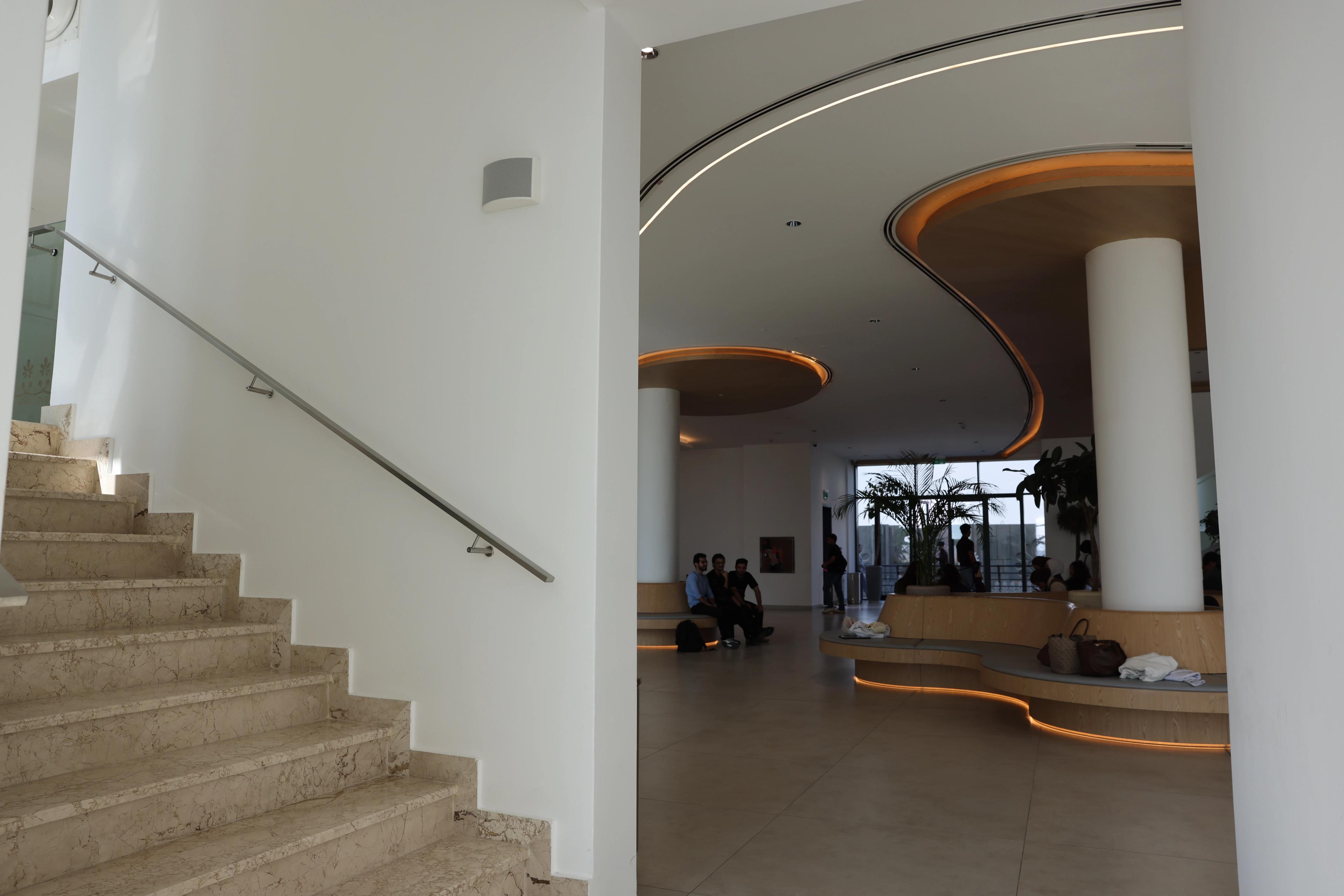
Design and implementation of integrated low current solutions for the Saadi Saihood Building at the American University of Iraq – Baghdad (AUIB), aimed at enhancing security and safety standards, improving building management, and providing advanced smart systems for surveillance, emergency response, and attendance management.
Project Scope :
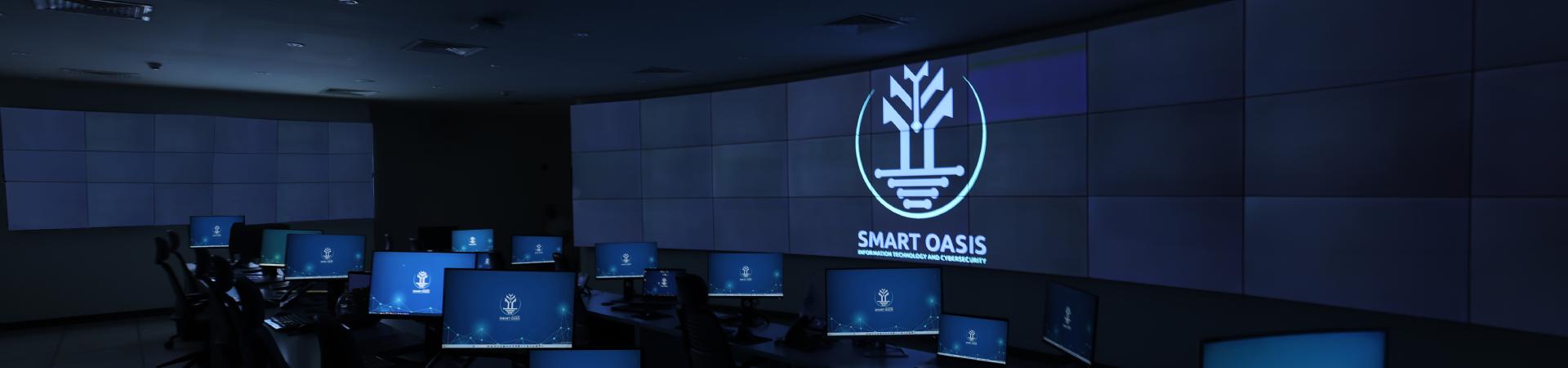
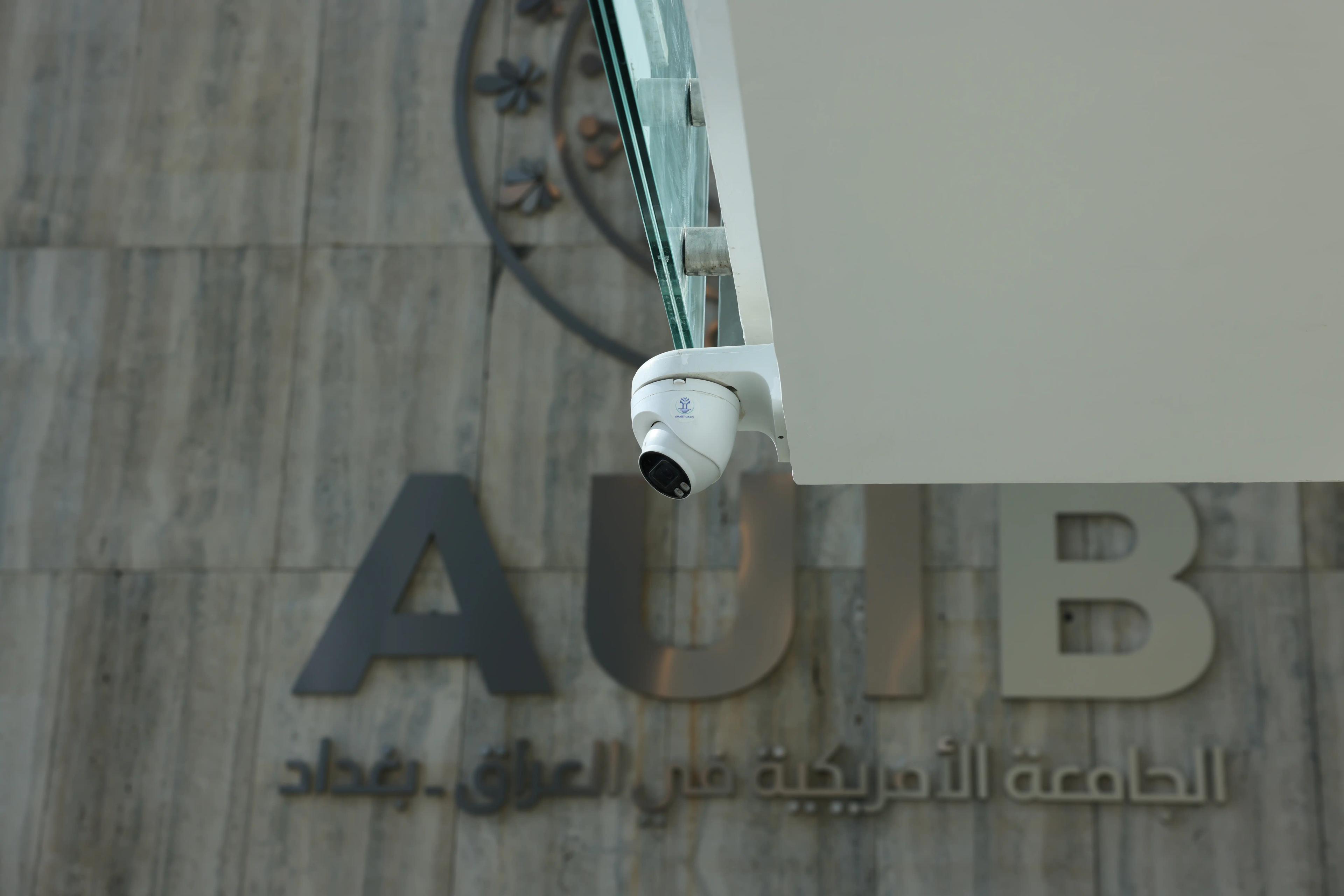
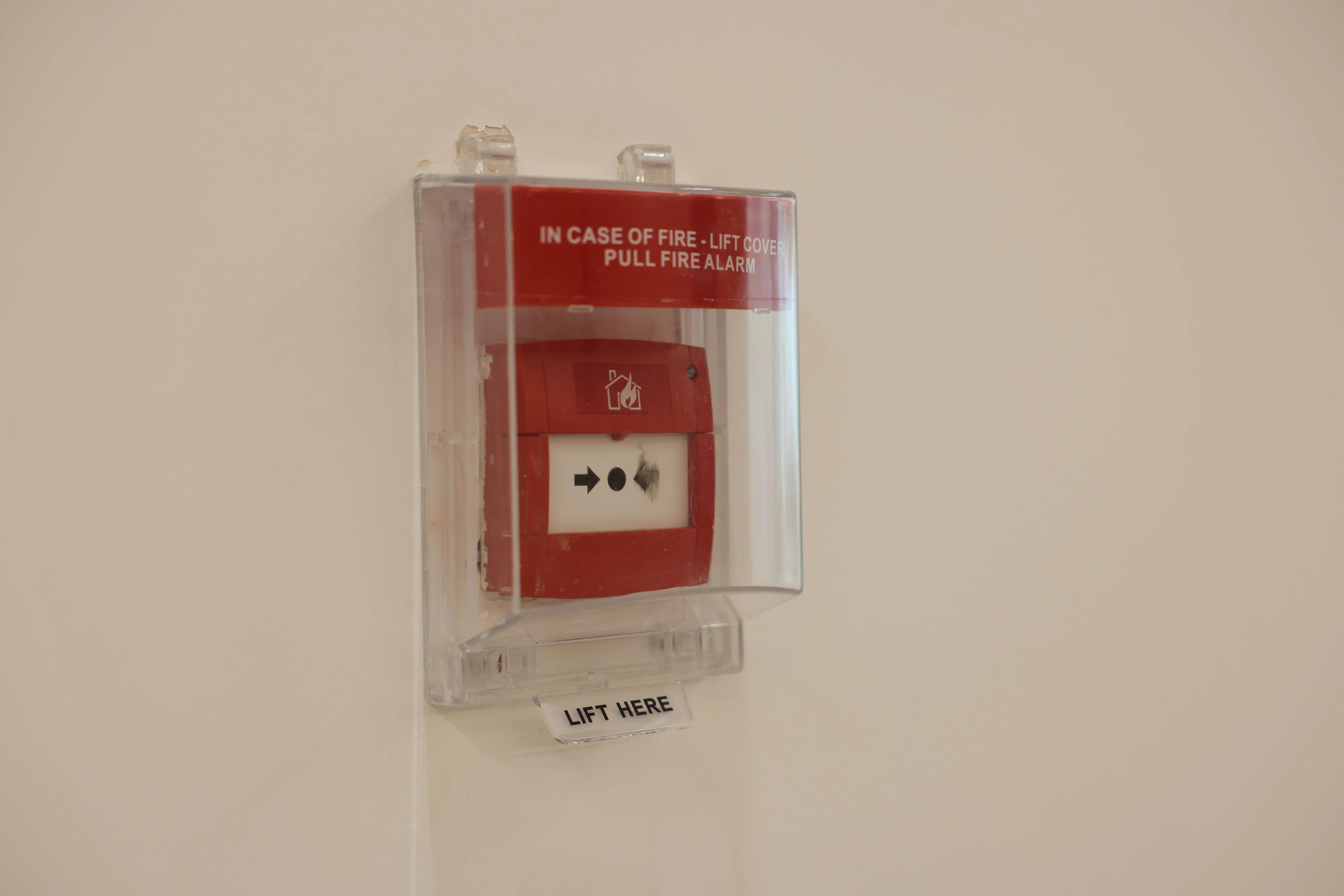
1) Assessment and Planning 1.1. Site Survey Conducting a comprehensive site survey of the Saadi Wahib Building, covering approximately 10,500 square meters, to identify low current system requirements, equipment distribution, cable routing, control room locations, and areas requiring advanced security and surveillance measures. 1.2.Requirements Gathering Identifying the technical and operational requirements for security surveillance, fire alarm, and attendance management systems, taking into consideration the building's intended use, the needs of students and staff, and the university's safety and security requirements. 2) Design and Engineering 2.1. System Design Developing the engineering designs required for security surveillance, fire alarm, and smart attendance management systems, ensuring comprehensive building coverage, scalability, rapid response, and seamless integration between the various systems. 2.2. Equipment and Device Selection Selecting and supplying suitable equipment and system components in accordance with the building's operational requirements. These include smart surveillance cameras, control and recording devices, fire detectors, alarm notification devices, manual call points, and facial recognition-based attendance devices. 3) Security Surveillance System 3.1. CCTV Installation Implementing an integrated security surveillance system covering the entire Saadi Saihood Building through the installation of 500 smart CCTV cameras distributed across various areas and facilities. Facial Recognition technology is incorporated to enhance identity verification and security procedures, support monitoring operations, and detect unusual activities, ensuring comprehensive visual coverage and improved building security. 3.2. Central Control Room All surveillance cameras are connected to and managed through a centralized control room using a Video Management System (VMS). This enables live video monitoring, recording playback, camera management, and efficient review of security events. The system is also configured to integrate with other building systems, supporting rapid emergency response and enhancing the overall security of the Saadi Saihood Building. 4)Fire Alarm and Safety System An integrated fire alarm and safety system was implemented throughout the Saadi Saihood Building, comprising more than 350 fire detectors and 35 audio-visual alarm devices, in addition to manual call points, to ensure early fire detection and alert building occupants. Advanced detection technologies were also incorporated, including Beam Detectors for large spaces and a Linear Heat Detection System for concealed areas and suspended ceilings, ensuring rapid fire detection and timely alarm activation when required. 5) Public Address and Voice Alarm System (PAVA) A Public Address and Voice Alarm System (PAVA) was implemented throughout the Saadi Saihood Building to provide an effective audio communication solution for broadcasting public announcements, operational notifications, and internal communications, as well as evacuation messages during emergencies. The system is directly integrated with the Fire Alarm System to automatically activate evacuation announcements, ensuring that instructions are delivered quickly and clearly to students, staff, and visitors. 5.1. System Testing Conducting comprehensive testing of all implemented systems, including CCTV coverage, Video Management System performance, facial recognition accuracy, fire detector and alarm response, and the integration points between the different systems. 5.2. Commissioning and Integration Commissioning the systems and ensuring their integration with associated systems, while verifying the proper execution of emergency scenarios to ensure the building is fully prepared for continuous monitoring and effective response to security incidents and emergency situations. 5.3. Handover and Training Handing over the systems after verifying their compliance with technical and operational requirements, along with training the relevant personnel on operating the central control room, managing the surveillance system, monitoring fire alarms, and generating attendance reports.