


Design and Implementation of a Smart Metering System
Client
Ministry of Electricity – Baghdad Electricity Distribution Directorate
Duration
1 year
Category
Smart Systems & Internet of Things (IoT)
Date
2026
Project Summary :
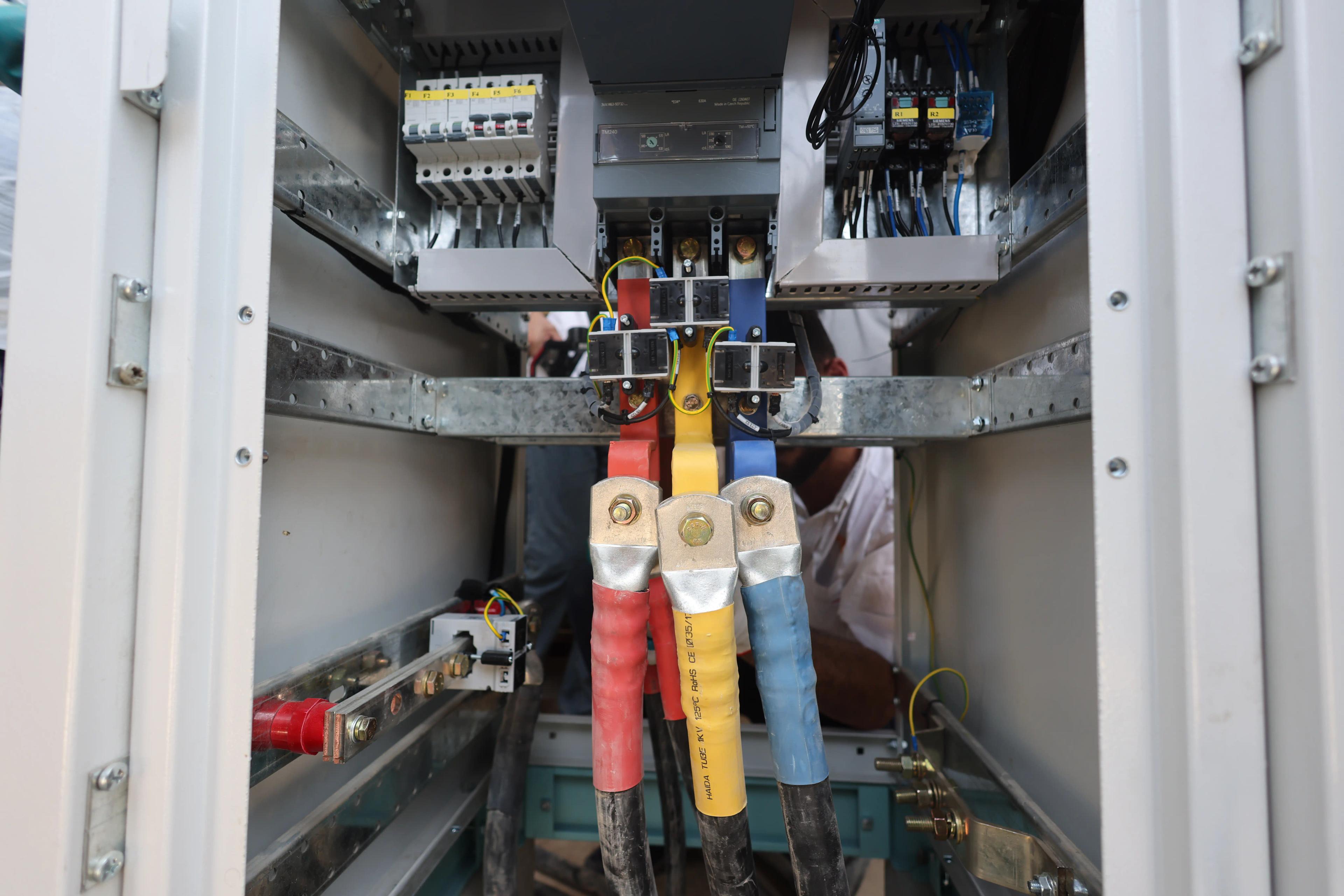
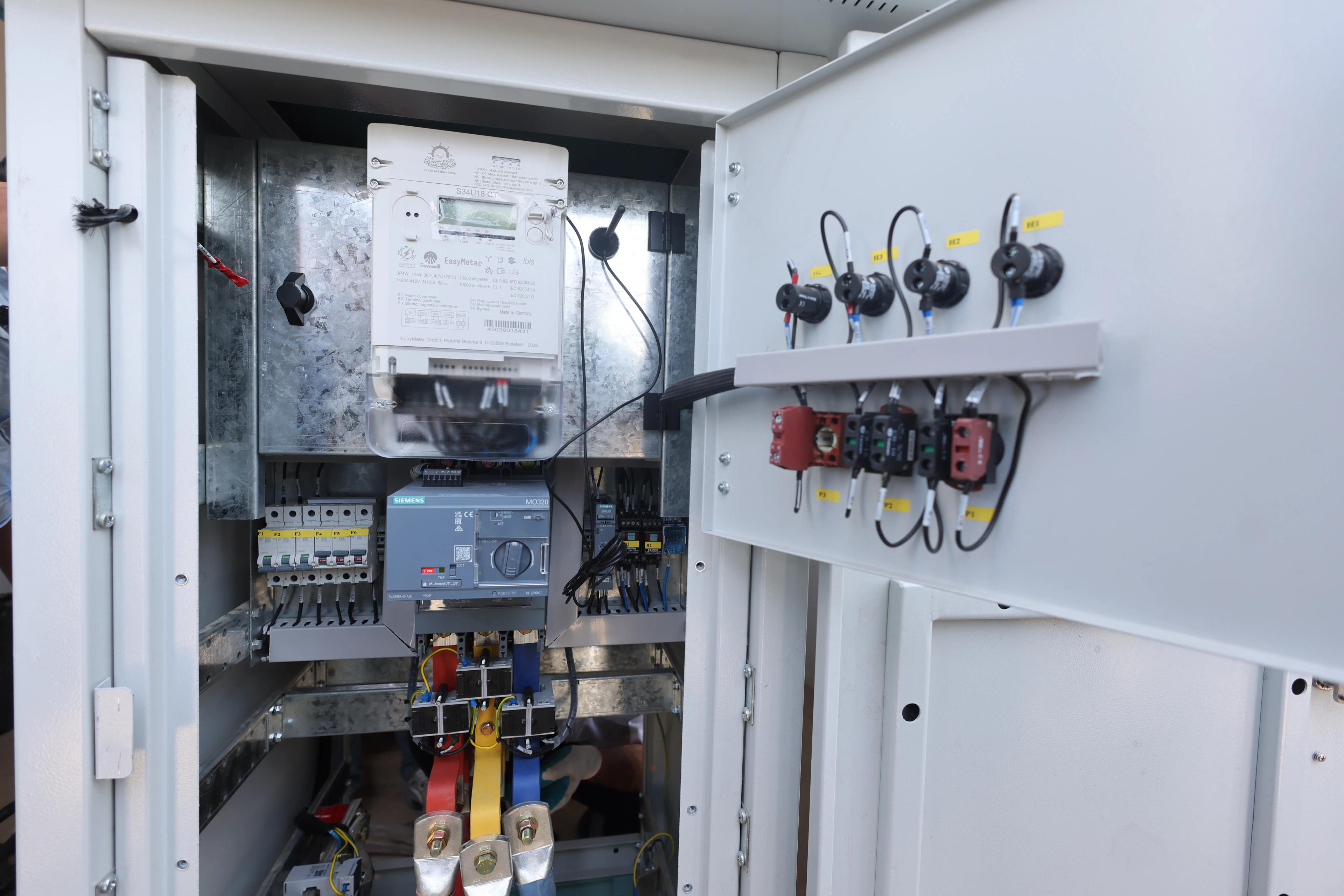
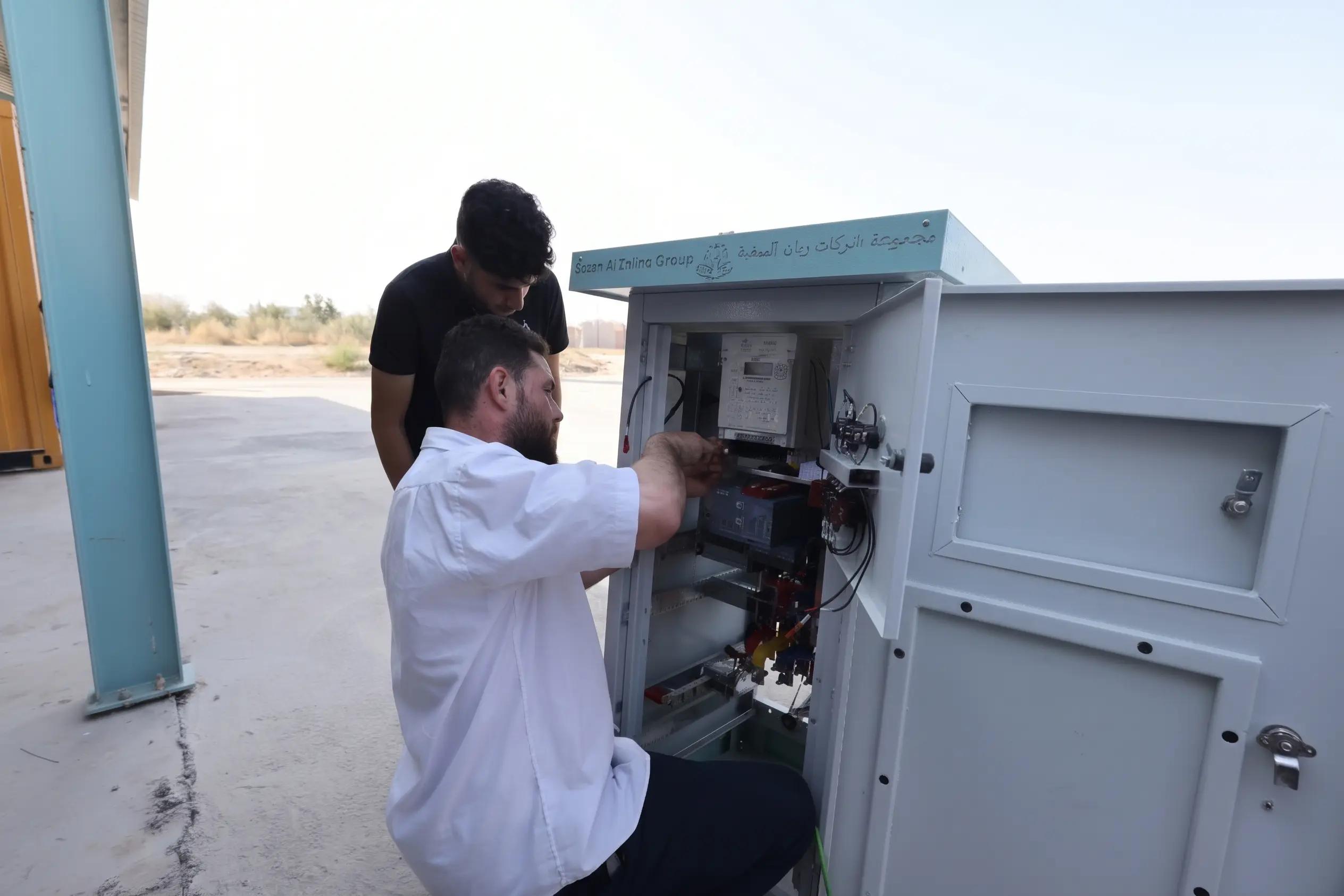
The project aims to design and implement an integrated Smart Metering System for private electrical transformers across Baghdad, operating under a Prepaid Smart Metering System model. The project also incorporates Automatic Circuit Breakers for high-consumption sites, contributing to the advancement of electricity consumption measurement, monitoring, and management mechanisms, improving revenue collection efficiency, and optimizing electrical load management.
Project Scope :
1) Field Survey and Technical Assessment (Field Survey & Technical Assessment) 1.1. Conducting field surveys of targeted private transformers and high-consumption sites. 1.2. Identifying and documenting transformers, subscribers, and their associated consumption points. 1.3. Collecting technical data for transformers, including capacity, voltage, current, and installation locations. 1.4. Identifying installation requirements for smart meters and automatic circuit breakers. 1.5. Assessing the existing electrical infrastructure. 1.6. Determining communication and network connectivity requirements for each site. 1.7. Developing geographical databases for transformers, subscribers, and meter locations. 1.8. Preparing technical reports and implementation site distribution maps. 2) Smart Metering Infrastructure (Smart Metering Infrastructure) 2.1. Designing the smart metering system to accommodate the characteristics of the targeted electrical loads. 2.2. Supplying and installing smart meters for subscribers connected to private transformers. 2.3. Supporting electrical measurements according to approved voltage levels and connection configurations. 2.4. Measuring and recording electrical energy consumption in kilowatt-hours (kWh). 2.5. Measuring and monitoring electrical parameters, including voltage, current, and power factor. 2.6. Providing automated, real-time, or periodic meter reading capabilities. 2.7. Supporting two-way communication with smart meters. 2.8. Providing tamper detection and meter manipulation detection capabilities. 2.9. Connecting smart meters to the centralized data management system. 3) Design and Implementation of Automatic Circuit Breakers (Automatic Circuit Breakers) 3.1. Designing and supplying automatic circuit breakers for transformers and high-consumption sites based on the technical assessment. 3.2. Providing circuit breakers suitable for the approved electrical loads, voltage levels, and current ratings. 3.3. Incorporating remote control mechanisms for disconnection and reconnection (Remote Disconnect / Reconnect). 3.4. Integrating circuit breakers with the centralized control system. 3.5. Providing mechanisms for disconnecting power supply when the available balance is depleted, in accordance with approved operational policies. 3.6. Supporting power reconnection following successful balance recharge and verification. 3.7. Providing protection against overloads, abnormal currents, and short circuits. 3.8. Monitoring circuit breaker status and recording disconnection and reconnection operations. 3.9. Maintaining electronic logs of operations and events associated with circuit breakers. 4) Communication and Field Connectivity (Communication & Field Connectivity) 4.1. Designing and implementing communication infrastructure between smart meters and the centralized system. 4.2. Providing suitable communication technologies based on site requirements, including: • Cellular communication networks (4G/LTE). • Fiber optic networks, where available. • Other approved communication technologies. 4.3. Supplying communication and data aggregation units (Data Concentrators), where required. 4.4. Providing secure and reliable communication channels. 4.5. Supporting two-way communication between the data center and field devices. 4.6. Monitoring connectivity status and identifying disconnected devices. 4.7. Providing temporary data storage mechanisms and automatic retransmission following communication interruptions. 5) Smart Meter Data Management System (Head-End System & MDMS) 5.1. Supplying and configuring the Head-End System (HES) for managing communication with smart meters. 5.2. Receiving and aggregating smart meter readings. 5.3. Processing, auditing, and validating meter readings. 5.4. Managing historical energy consumption data. 5.5. Calculating energy consumption and electrical load indicators. 5.6. Managing subscriber, meter, and transformer data. 5.7. Monitoring smart meter status and connectivity. 5.8. Providing mechanisms for detecting abnormal readings and tampering activities. 5.9. Providing integration interfaces with billing, recharge, and other application systems. 6) Prepaid Vending System and Balance Management (Prepaid Vending System) 6.1. Designing and implementing a prepaid management system for subscribers. 6.2. Creating and managing subscriber accounts and balances. 6.3. Calculating energy consumption costs based on approved electricity tariffs. 6.4. Deducting the cost of consumed energy from subscriber balances. 6.5. Providing electronic balance recharge mechanisms. 6.6. Managing recharge and payment transactions and maintaining transaction records. 6.7. Supporting automatic updates of meter balances. 6.8. Providing notifications when balances are low or approaching depletion. 6.9. Managing financial reconciliation and auditing processes. 6.10. Integrating the prepaid system with the "Noor" consumer application. 7) Transformer and Load Management (Transformer & Load Management) 7.1. Establishing a centralized database for private transformers. 7.2. Linking each transformer to its associated meters and subscribers. 7.3. Managing subscriber information and consumption site locations. 7.4. Monitoring electrical loads for each transformer. 7.5. Tracking loading indicators and utilization rates. 7.6. Identifying overload conditions and excessive consumption. 7.7. Analyzing consumption patterns by transformer, location, and subscriber. 7.8. Providing reports on supplied energy, consumed energy, and discrepancies. 7.9. Supporting the identification of abnormal loads and potential energy loss locations. 8) Network Operations Center and Control Center (NOC / Control Center) 8.1. Providing centralized interfaces for monitoring smart meter and circuit breaker statuses. 8.2. Monitoring connectivity with field devices. 8.3. Monitoring energy consumption and electrical loads. 8.4. Tracking subscriber balances and recharge transactions. 8.5. Monitoring disconnection and reconnection operations. 8.6. Receiving operational alerts and event notifications. 8.7. Providing geographical maps of transformers and targeted locations. 8.8. Developing operational and administrative dashboards. 8.9. Maintaining a centralized log of all events and operations. 8.10. Supporting the management of maintenance teams and field intervention activities. 9) Integration with Other Platforms and Systems (System Integration) 9.1. Integrating with the "Noor" consumer application to display consumption data and balances and process recharge transactions. 9.2. Integrating with Head-End Systems (HES). 9.3. Integrating with electronic payment systems and banking gateways. 9.4. Integrating with billing and electricity tariff systems. 9.5. Integrating with the Modular Data Center. 9.6. Integrating with centralized monitoring and control systems. 9.7. Providing Application Programming Interfaces (APIs) for data exchange between systems. 9.8. Implementing unified and secure mechanisms for data and transaction management. 10) Cybersecurity and System Security (Cybersecurity & System Security) 10.1. Securing communications between field devices and centralized systems. 10.2. Implementing authentication and access control mechanisms. 10.3. Encrypting transmitted and stored data. 10.4. Protecting field devices against tampering attempts. 10.5. Securing remote circuit breaker control operations. 10.6. Logging and monitoring all sensitive operations. 10.7. Providing security threat detection and monitoring systems. 10.8. Implementing backup and data recovery policies. 10.9. Segregating operational and control networks from user networks in accordance with industry best practices. 11) Testing, Commissioning, and Handover (Testing & Commissioning) 11.1. Conducting smart meter testing and measurement accuracy verification. 11.2. Testing circuit breakers and their disconnection and reconnection mechanisms. 11.3. Testing communication between field devices and the centralized system. 11.4. Testing HES and prepaid vending systems. 11.5. Testing integration with the "Noor" application and payment gateways. 11.6. Conducting performance, reliability, and cybersecurity testing. 11.7. Performing Factory Acceptance Testing (FAT) and Site Acceptance Testing (SAT). 11.8. Commissioning the system and verifying its operational readiness. 11.9. Training technical and operational personnel. 11.10. Delivering technical documentation, drawings, and operation and maintenance manuals.